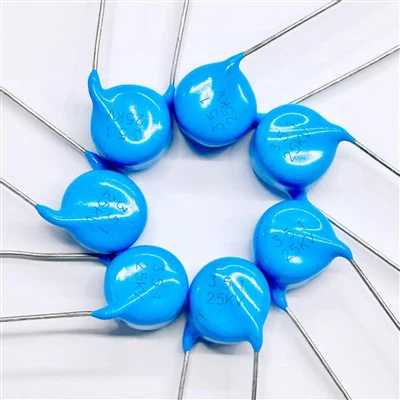
In power systems, high-voltage capacitors are frequently employed for applications such as reactive power compensation and harmonic suppression. However, prior to performing inspection or maintenance on high-voltage capacitors, they must be discharged to ensure the safety of the operating personnel. So, what exactly is used as the discharge load for high-voltage capacitors?
The answer is a resistor. When discharging a high-voltage capacitor, the process is primarily accomplished by connecting a discharge resistor; this resistor effectively and rapidly dissipates the electrical charge stored within the capacitor into the ground or a designated safe area. Why is a resistor chosen as the discharge load? This is primarily because a resistor provides a stable impedance during the discharge process, allowing the charge within the capacitor to be released gradually and in a controlled manner, thereby preventing potential safety hazards that could arise from a sudden, uncontrolled discharge.